How to Turn Your MacBook Neo into a Creative Powerhouse (for video editing, music production and graphic design)
Is MacBook Neo powerful enough to handle video editing, music production, and design workflows for students on a budget? When Apple launched the MacBook Neo in March 2026, the education world took notice. At just £499 with student pricing, it was the most affordable new Mac in years. But then came the questions: Can this thing really handle creative work? Isn’t the A18 Pro just an iPhone chip?
Here’s what the spec-sheet skeptics miss: the MacBook Neo is surprisingly capable. Its 5-core GPU supports hardware-accelerated ray tracing. Its 16-core Neural Engine (38 TOPS) powers Apple Intelligence features like real-time photo enhancement and subject isolation. And paired with macOS, it runs professional creative apps—Affinity Photo, Logic Pro, DaVinci Resolve—with genuine fluency.
But let’s be honest. The Neo isn’t a MacBook Pro. It won’t render 8K video in record time, and its 8GB RAM limit means you can’t have twenty apps open at once without some compromises, although some have tried and succeeded. For student creators on a budget, the question isn’t “Is this the most powerful laptop?” It’s “Can I get my work done?”
The answer is yes—with the right accessories, smart workflows, and realistic expectations…
We walk you through exactly how to turn your MacBook Neo into a genuine creative powerhouse, one affordable upgrade at a time.

What the MacBook Neo Actually Does Well
Before we talk accessories, let’s be clear about what the Neo can already do out of the box.
The A18 Pro: More Than a Phone Chip
The A18 Pro isn’t new to 2026—it debuted in the iPhone 16 Pro back in 2024. But placing it in a laptop chassis with better cooling changes the game. Here are the real benchmarks:
| Task | MacBook Neo Performance | Notes |
| Photo editing (Lightroom, Affinity Photo) | Excellent | Handles RAW files, layers, and complex filters smoothly |
| Graphic design (Affinity Designer, Figma, Canva) | Very Good | Vector work and UI design run without issue |
| Audio production (Logic Pro, GarageBand) | Very Good | Multiple tracks and plugins work comfortably |
| 1080p video editing (iMovie, CapCut) | Good | Trimming, effects, and exports are fluid |
| 4K video editing | Manageable | Use proxy workflows (explained below) |
| 3D modelling (basic Blender) | Moderate | Simple scenes are fine; complex renders are slow |
| Heavy multitasking | Limited | 8GB RAM means closing unused apps is necessary |
The bottom line: For 2D design, photo editing, audio production, and learning video editing, the Neo is genuinely capable. For professional 4K timelines or complex 3D rendering, you’ll need patience and smart workflows.
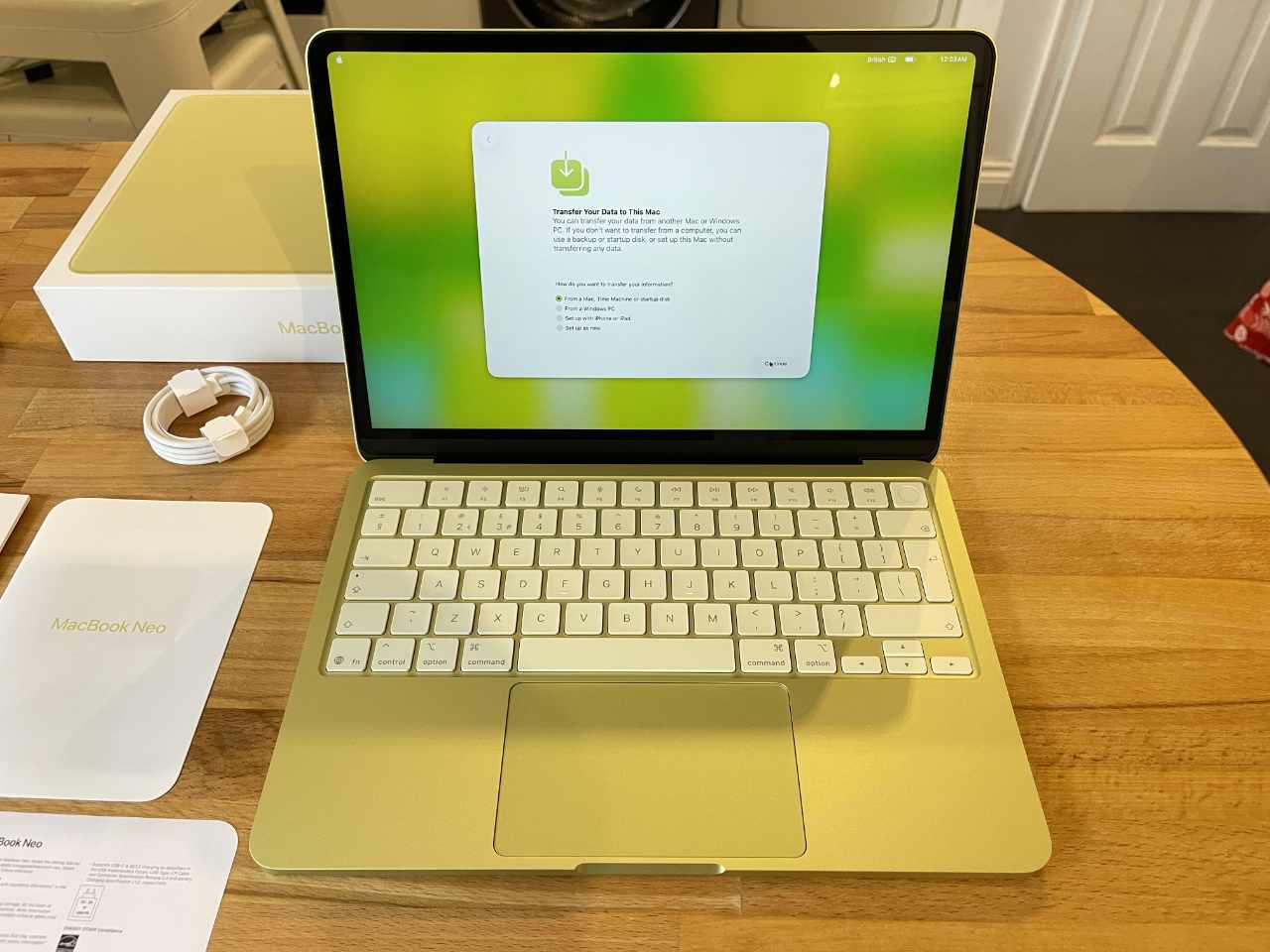
Where the Neo Needs Help
Apple made compromises to hit that £499 price. Here’s what’s missing:
| Limitation | What It Means for Creators |
| No power adapter included | You must buy a charger separately |
| Only 256GB base storage | One video project can fill this |
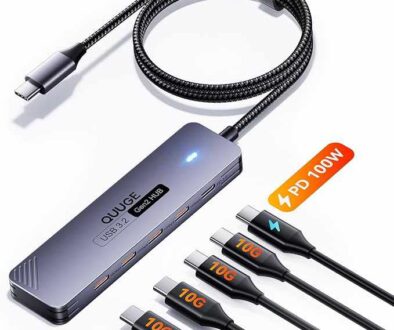
| One fast USB-C port (the other is USB 2) | Slow file transfers if you use the wrong port |
| No SD card slot | Offloading camera footage requires a dongle |
| No backlit keyboard | Late-night editing is frustrating |
| 8GB RAM (not upgradeable) | Multitasking requires discipline |
The good news? Every single one of these limitations has an affordable fix. That’s what this article is for.
The Three Creative Pillars: Storage, Sound, Capture
Creative work demands three things that the MacBook Neo doesn’t include out of the box: storage, sound, and capture. Start here.
1. External SSD: Because 256GB Disappears Fast
The problem: A single semester of video projects, a Lightroom catalogue of RAW photos, or a Logic Pro session with sampled instruments can eat your entire internal drive. Worse, if your Neo is lost or stolen, your creative portfolio vanishes with it.
The solution: A portable external SSD (Solid State Drive) connects via USB-C and provides fast, reliable storage for your active projects. The Neo’s fast USB-C port supports up to 10Gb/s, which is plenty for editing 4K video (using proxy workflows) or working with large photo libraries.
What to look for:
- USB 3.2 Gen 2 (10Gb/s) to match the Neo’s fast port
- Rugged, drop-resistant design (student life is unpredictable)
- 1TB capacity (the sweet spot for most students; 2TB if you shoot lots of video)
- Bus-powered (runs off the Neo’s USB-C port, no external power needed)
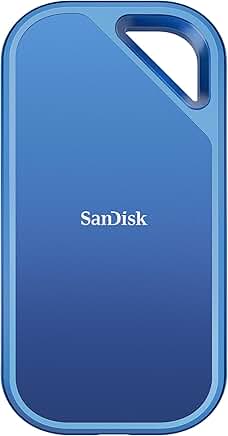
Top recommendations for students:
| SSD | Why It’s Good | Typical Cost |
| Samsung T7 (1TB) | Rugged, fast, reliable. The industry standard. | £70–£90 |
| SanDisk Extreme Portable (1TB) | Similar specs, often slightly cheaper | £65–£85 |
| Crucial X9 (1TB) | Excellent value, Mac-friendly | £60–£80 |
How to use it:
- Store your active creative projects directly on the external SSD
- Set your creative apps to use the external SSD as their default library location
- Keep the Neo’s internal drive for apps, system files, and documents
- Use Time Machine to back up your Neo to the SSD automatically
Why this matters: An £80 external SSD is cheap insurance for your entire creative portfolio. Don’t skip this.
2. Noise-Cancelling Headphones
The problem: You cannot do creative work in a noisy environment. Libraries aren’t always quiet. Dormmates aren’t always considerate. Coffee shops are ambient. And open-back headphones (great for mixing) let all that noise in.
The solution: Noise-cancelling headphones serve two purposes: blocking distractions so you can focus, and letting you hear your work accurately.
A note for music students: True professional studio monitors (headphones for mixing) don’t have noise cancellation—it alters frequency response. You’ll eventually need two pairs: one for blocking noise while composing (noise-cancelling) and one for critical listening (studio monitors). But on a student budget, good noise-cancelling headphones are a fine starting point.
What to look for for creative work:
| Feature | Why It Matters |
| Wired + wireless modes | Bluetooth has latency (delay), problematic for video editing. Wired connection eliminates lag. |
| Neutral-ish sound signature | Avoid exaggerated bass or treble. You want to hear your work accurately. |
| Comfort for long sessions | Creative work happens in hours-long blocks. |
| USB-C charging | One cable for Neo, phone, and headphones. |
Top recommendations for students:
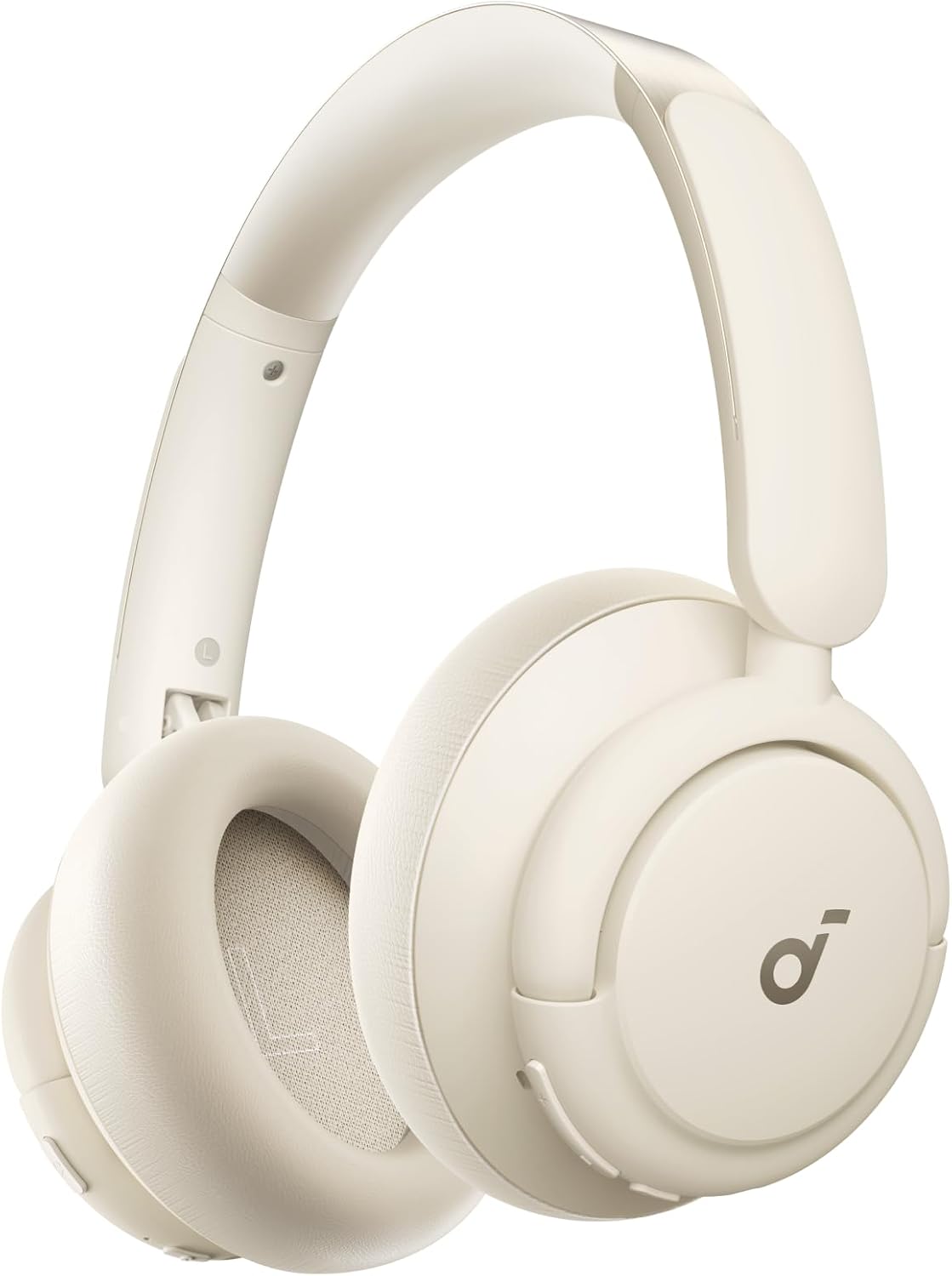
- Budget (Under £80): Anker Soundcore Life Q30 — excellent noise cancellation for the price. Wired mode available.
- Mid-Range (Under £150): Sony WH-CH720N — lighter and more comfortable than Sony’s premium models. Good noise cancellation. Neutral-ish sound.
- Apple Ecosystem (Under £200): AirPods Pro 2 — seamless switching between Neo and iPhone. Excellent noise cancellation. Note: Bluetooth only, so slight latency for video work.
- Music Production (Save up): Beyerdynamic DT 700 Pro X (wired, no noise cancellation) — studio monitors with neutral sound and excellent passive isolation. These will serve you through your degree and beyond.
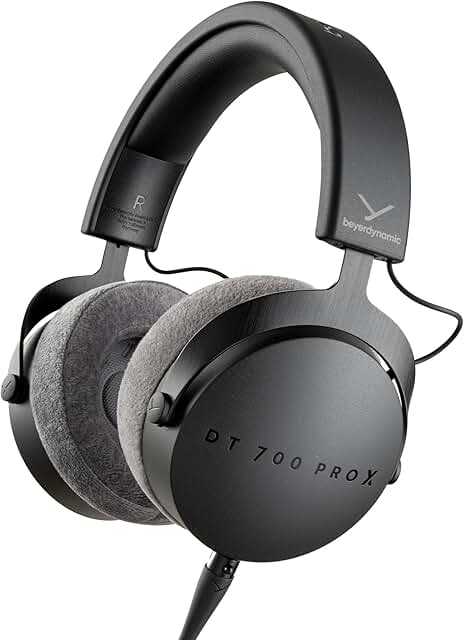
Why this matters: You cannot edit audio you cannot hear. You cannot design when distracted. Good headphones are not a luxury—they are a tool as essential as your laptop.
3. Professional USB Microphone
The problem: The MacBook Neo’s built-in dual-mic array is fine for Zoom lectures. But for voiceovers, podcasting, remote music collaboration, or any creative audio work, the built-in mics are inadequate. They pick up keyboard noise, room echo, and lack warmth and clarity.
The solution: An external USB or USB-C microphone designed for voice and instrument recording.
What to look for for student creators:
| Feature | Why It Matters |
| USB-C connection | Direct plug-and-play. No audio interface required (saves money and desk space). |
| Cardioid polar pattern | Picks up sound from the front (your voice) while rejecting sound from the sides and rear (keyboard clicks). |
| Built-in headphone jack (zero-latency monitoring) | Hear your own voice in real-time without delay. Essential for natural-sounding voice work. |
| Gain control (physical knob) | Adjusts sensitivity without digging into software. |
| Mute button | Useful for quick mic checks. |
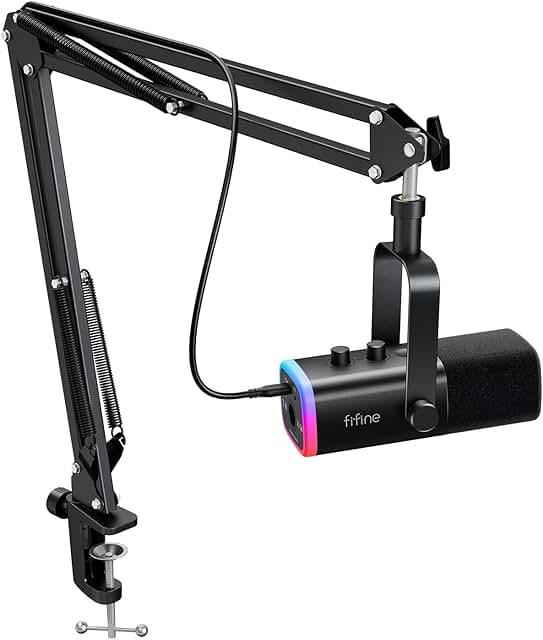
Top recommendations for students:
| Microphone | Best For | Typical Cost |
| Fifine K669B | Budget podcasting, voiceover | £30–£40 |
| Blue Yeti (or Yeti Nano) | Student podcasting (multiple polar patterns) | £80–£100 |
| Rode NT-USB Mini | Voice-focused, excellent build quality | £80–£90 |
| Audio-Technica AT2020USB+ | Aspiring musicians (studio quality) | £120–£150 |
| Rode VideoMic GO II | Video students (shotgun mic, super-cardioid) | £100–£120 |
What you also need (small extras):
- Boom arm (£15–£25): Gets the microphone off your desk, eliminating typing vibrations.
- Pop filter (£5–£10): A mesh screen that softens plosive sounds (p, b, t). Dramatically improves vocal recordings.
- Shock mount (often included with mid-range mics): Reduces handling noise.
Why this matters: Audio quality is the single biggest differentiator between amateur and professional-sounding content. A £35 microphone makes your voiceovers and podcasts sound 10x better than the Neo’s built-in mics.
Beyond the Basics
Once you have storage, sound, and capture covered, these three additional accessories will take your creative setup to the next level.
4. SD Card Reader (For Photographers and Videographers)
The problem: The MacBook Neo has no built-in SD card slot. If you shoot with a DSLR, mirrorless camera, or drone, getting footage onto your Neo requires either a camera connection cable or—more efficiently—an SD card reader.
The solution: A compact, bus-powered USB-C SD card reader.
What to look for:
- USB-C connection (no adapters)
- UHS-II support (faster transfer speeds, future-proofs your workflow)
- Dual slot (SD and microSD) for maximum compatibility
- Compact size (lives on your keychain or in your laptop sleeve)
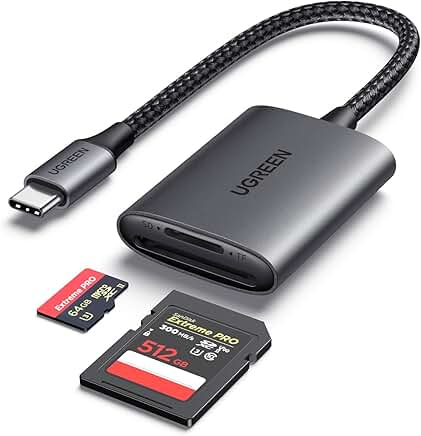
Recommendations:
- Apple USB-C to SD Card Reader (£39): Simple, reliable, works every time.
- Anker 2-in-1 SD Card Reader (£15–£20): Cheaper, supports both SD and microSD, very compact.
- UGREEN SD Card Reader (£10–£15): Budget-friendly, aluminium body.
Why this matters: Offloading footage from your camera should be fast and frustration-free. An SD card reader costs less than £20 and saves you from hunting for cables or using slow camera Wi-Fi transfers.
5. Drawing Tablet (For Illustrators and Designers)
The problem: The MacBook Neo is not a touchscreen. It doesn’t support Apple Pencil. For illustration students, digital painters, or anyone who needs to sketch or design with a stylus, the trackpad and mouse are inadequate.
The solution: A small, affordable drawing tablet that connects via USB.
What to look for:
- Pen pressure sensitivity (at least 2048 levels; 4096+ is better)
- Compact active area (smaller than A5 is fine for students)
- USB-C connection (or USB-A with an adapter)
- Driver support for macOS (Wacom, XP-Pen, and Huion all work)
- Battery-free pen (no charging, no batteries to replace)
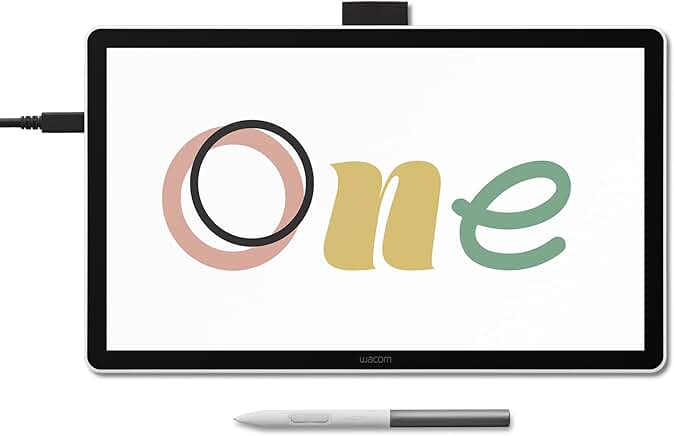
Recommendations:
| Tablet | Best For | Typical Cost |
| One by Wacom (Small) | Entry-level illustration (no shortcut buttons, but excellent pen feel) | £40–£50 |
| XP-Pen Deco Mini 7 | More shortcut buttons, colourful design | £50–£60 |
| Huion Inspiroy 2 M | Larger active area, good pen performance | £60–£70 |
| Wacom One 14 (screen tablet) | Photo editing and illustration (includes 14-inch fully laminated screen) | £250–£300 |
Why this matters: A drawing tablet costs less than a single textbook but gives you precision that no mouse or trackpad can match. For illustration, photo retouching, or even annotating PDFs, it’s a game-changer.
This is not a replacement for an iPad Pro with Apple Pencil. But for a student on a budget, a £50 drawing tablet paired with Affinity Designer or Photoshop is a perfectly capable illustration setup.
6. Portable Monitor (For Dual-Screen Creative Workflows)
The problem: The Neo’s 13-inch display is beautiful, but creative work thrives on screen real estate. Timelines, palettes, reference images, and toolbars quickly crowd a single small screen.
The solution: A portable USB-C monitor gives you a second screen anywhere—library, coffee shop, dorm desk.
What to look for for creative work:
- IPS panel (accurate colours, wide viewing angles)
- 2.5K or 4K resolution (1080p is too low for detailed photo/video work)
- USB-C connection with single-cable power and video
- 400+ nits brightness (for well-lit environments)
- Foldable cover/stand that doubles as protection
- 100% sRGB coverage minimum (look for DCI-P3 if you can afford it)
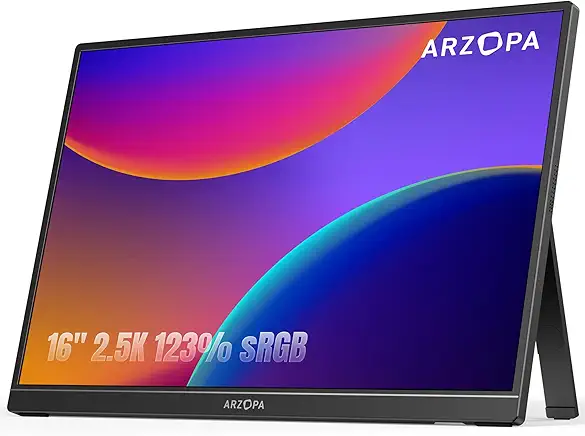
Recommendations:
| Monitor | Key Features | Typical Cost |
| ASUS ZenScreen MB16ACV | 15.6-inch, 1080p (good but not great for detailed work), reliable | £150–£180 |
| ViewSonic VA1655 | 15.6-inch, 1080p, USB-C, includes built-in stand | £130–£160 |
| Arzopa Z1FC | 16.1-inch, 2.5K resolution, 144Hz refresh rate, excellent value | £120–£150 |
| EVICIV Portable 4K | 16-inch, 4K, 1200 nits brightness, 1ms response | £180–£220 |
The budget alternative: Use an iPad with Sidecar. If you already own an iPad, you can use it as a wireless second display for your Neo. It’s not as fast as a wired connection, but it’s free.
Why this matters: A second screen doubles your productivity. Keep your timeline or canvas on the Neo and your tools, bins, or reference images on the portable monitor. For video editors and designers, this is transformative.
Smart Workflows for Student Creators
Accessories alone won’t save you. You also need smart workflows that work within the Neo’s limits.
Proxy Editing for 4K Video
What is proxy editing? You create lower-resolution copies (proxies) of your high-resolution video files, edit using those lightweight copies, then switch back to the originals for final export. This makes 4K editing smooth even on the MacBook Neo.
How to do it in popular software:
| Software | Steps |
| Final Cut Pro | Import footage > Select clips > File > Generate Proxy Media > Edit with View > Proxy > Switch back to Original before export |
| DaVinci Resolve | Right-click clips in Media Pool > Generate Proxy Media > Toggle Proxy Mode during editing > Disable before final export |
| Adobe Premiere Pro | Select clips > Right-click > Proxy > Create Proxies > Toggle Proxy button in Program Monitor during editing |
The Neo’s 8GB RAM and 60GB/s memory bandwidth are fine for 1080p editing but can struggle with 4K. Proxy workflows bypass these limitations entirely.
Managing 8GB RAM Like a Pro
The Neo’s 8GB RAM is its most controversial spec. Here’s how to make it work:
Do:
- Close apps you’re not using (Safari tabs consume RAM)
- Use Activity Monitor (Applications > Utilities) to spot memory hogs
- Keep your creative app open and everything else closed
- Restart your Neo weekly to clear memory caches
Don’t:
- Run Photoshop, Chrome with 20 tabs, and Spotify simultaneously
- Leave Final Cut open while browsing in Safari
- Ignore the “Your system has run out of application memory” warning
The mindset shift: Treat 8GB as a feature that encourages focused, single-task creative work. Many professional creators actually prefer this constraint—it forces discipline.
Cloud Backup That Saves Your Degree
The 3-2-1 backup rule for students:
- 3 copies of your data
- 2 different storage types (external SSD + cloud)
- 1 off-site backup (cloud)
Student-friendly cloud options:
| Service | Free Tier | Student Pricing | Best For |
| iCloud Drive | 5GB | 5GB (£0.99) 200GB (£2.99/mo), 2TB (£8.99/mo) | Apple ecosystem users |
| Google Drive (Google One Plans) | 15GB | 200GB (£6.99/mo), 5TB (£18.99) | Cross-platform collaboration |
| Microsoft OneDrive | 5GB | Included with Microsoft 365 Personal with 1TB (£84.99/year) | Office users |
The smart student strategy:
- Use iCloud Drive (200GB) for automatic desktop/documents syncing
- Keep a monthly manual backup to your external SSD
- Store finished projects on both your external SSD and cloud
Why this matters: A stolen laptop is devastating. A stolen laptop with no backup is catastrophic. Cloud storage costs less than a coffee per week and protects your entire academic career.

The Phased Buying Roadmap
You don’t need to buy everything at once. Here’s a sensible roadmap for the creative student on a budget.
Phase 1: The Essentials (£100–£150)
| Item | Cost | Why You Need It Now |
| External SSD (1TB) | £70–£90 | Your internal drive will fill up this semester |
| SD card reader | £15–£20 | Offload camera footage quickly |
| Pop filter (for existing headset mic) | £5–£10 | Improves vocal recordings instantly |
What you can do now: Offload footage, back up your work, and improve vocal quality immediately.
Phase 2: The Audio Upgrade (£80–£150)
| Item | Cost | Why You Need It Now |
| Noise-cancelling headphones | £60–£80 | Focus anywhere, hear your work accurately |
| USB microphone | £35–£50 | Voiceovers, podcasts, music demos |
What you can do now: Record clean voiceovers, monitor your audio accurately, and focus for hours without distraction.
Phase 3: The Professional Polish (£100–£200)
| Item | Cost | Why You Need It Now |
| Drawing tablet | £50–£80 | Illustration, photo retouching, PDF annotation |
| Portable monitor | £120–£180 | Dual-screen productivity anywhere |
What you can do now: Illustrate, retouch photos, edit video on a dual-screen setup, and work from anywhere with a proper creative workspace.
Total Investment for a Complete Creative Setup: £280–£500
For less than the cost of upgrading to a MacBook Pro, you’ve turned your £499 MacBook Neo into a fully-fledged creative workstation with professional-grade storage and backup, studio-quality audio capture and monitoring, precision input for illustration and design, and dual-screen productivity anywhere.

Real Student Creator Scenarios
The Photography Student
Workflow: Shoot RAW photos on a mirrorless camera. Edit in Lightroom or Affinity Photo. Deliver edited JPEGs for assignments or client work.
Neo setup:
- External SSD (1TB) for Lightroom catalogue and RAW files
- SD card reader for offloading photos
- Noise-cancelling headphones for focus during marathon editing sessions
- Portable monitor (colour-accurate) for side-by-side before/after comparisons
Verdict: More than sufficient. The A18 Pro handles RAW development and batch exports smoothly.
The Videography Student
Workflow: Shoot 4K footage on a DSLR or mirrorless camera. Edit in DaVinci Resolve or Final Cut Pro. Deliver 1080p or 4K projects for coursework.
Neo setup:
- External SSD (2TB) for footage and proxies
- SD card reader for offloading
- Noise-cancelling headphones for audio monitoring
- Portable monitor for timeline + preview window
- Proxy workflow (essential)
Verdict: Manageable with discipline. Proxy workflows make editing smooth. Exports take longer than on M-series Macs—render overnight for longer projects. For learning editing fundamentals, it’s absolutely workable.
The Music Production Student
Workflow: Record vocals or instruments. Mix in Logic Pro or GarageBand. Apply plugins and effects. Export final mixes.
Neo setup:
- External SSD for sampled instruments and project files
- USB microphone (Audio-Technica AT2020USB+)
- Studio monitor headphones (Beyerdynamic DT 700 Pro X)
- Noise-cancelling headphones (for composing in noisy environments)
Verdict: Surprisingly capable. Audio production is less demanding than video. The A18 Pro handles real-time effects, multiple tracks, and plugin chains without breaking a sweat.
The Graphic Design Student
Workflow: Create vector illustrations in Affinity Designer. Edit photos in Affinity Photo. Design layouts for print or web.
Neo setup:
- External SSD for asset libraries and completed projects
- Drawing tablet (One by Wacom) for illustration
- Portable monitor (colour-accurate) for reference images
- Cloud storage for collaboration and backup
Verdict: Sufficient. Vector work and page layout are lightweight. Even Affinity Photo with multiple layers is fine, as long as you’re not working with 50MP images and hundreds of layers simultaneously.
What You Don’t Need to Buy
Before you spend money, know what the Neo already does well enough on its own:
| Skip This | Instead… |
| Expensive Thunderbolt dock | A basic USB-C hub (£25–£40) is fine. Neo doesn’t support Thunderbolt anyway. |
| External GPU (eGPU) | Neo doesn’t support eGPUs. Don’t waste your money. |
| 4K portable monitor for general use | 1080p or 2.5K is fine for most students. 4K is overkill at 15/16 inches. |
| Professional studio monitors (year one) | Noise-cancelling headphones are fine for learning. Upgrade later. |
Your Portfolio Deserves Better Than “Good Enough”
The MacBook Neo is not the most powerful laptop Apple makes. It won’t render 8K video at all, it will render 4K but not as fast as a MacBook Air/Pro, and its 8GB RAM limit means you’ll need to be disciplined about multitasking.
But here’s the secret that successful student creators understand: your tools matter less than your skills and your workflow.
The accessories and workflows in this article aren’t about keeping up with the pros. They’re about building a reliable, capable, focused creative workflow on a student budget. Buy smart, buy in phases, and spend your money on the things that actually improve your work. not the things that just look good on a spec sheet.
This article is part of Colour My Learning’s MacBook Neo series. For more guides on student accessories, creative workflows, and budget tech, explore our complete collection.